The Architecture of Quiet
An exploration of restrained architecture, deliberate silence, and the spaces that invite contemplation.
There is a particular kind of silence found in thoughtfully designed spaces. It is not the absence of sound, but the presence of intention: a door placed away from the main room, a window held low to the water, a surface that absorbs rather than reflects every movement.
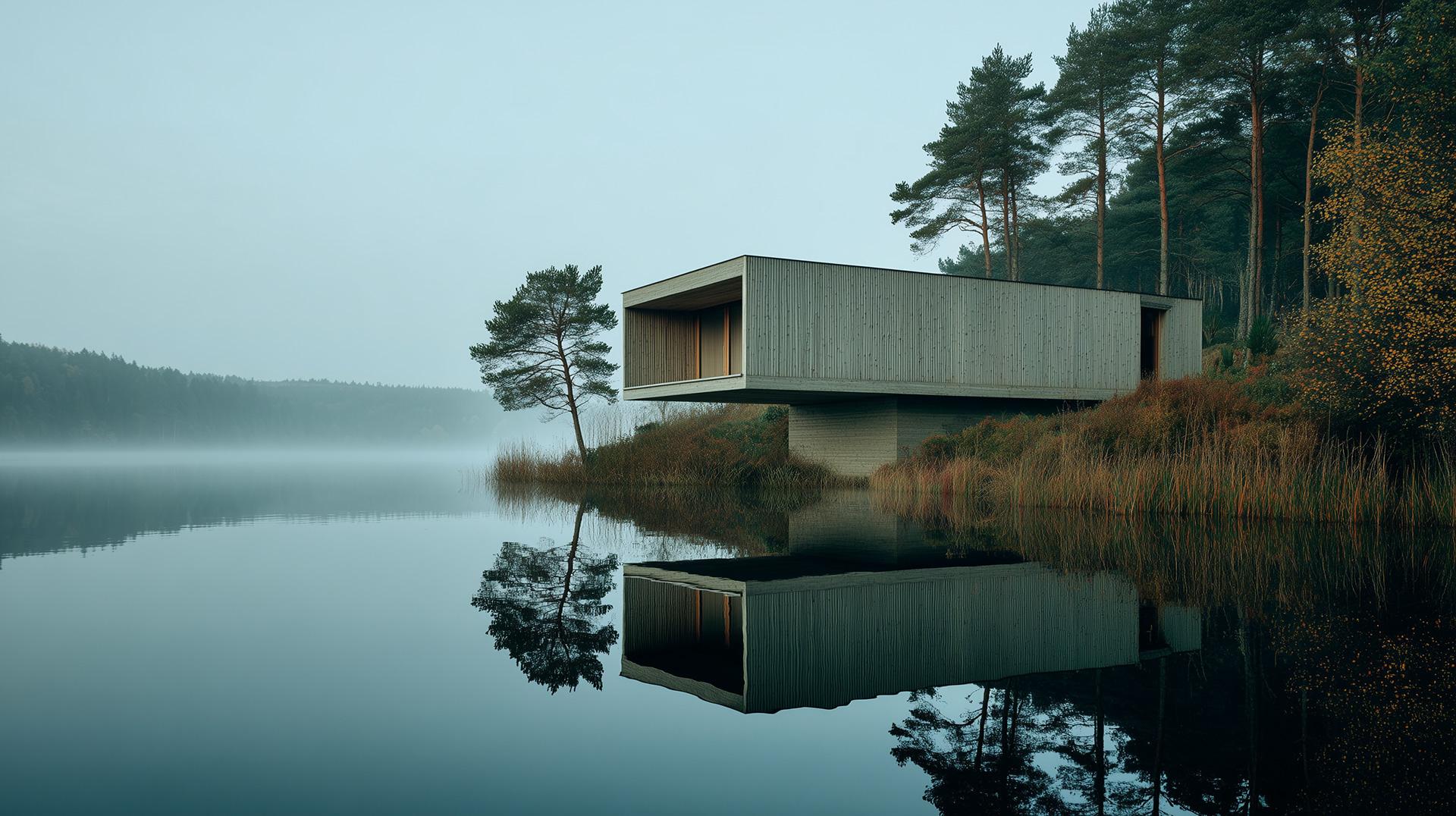
At a small lakeside retreat in northern Minnesota, the plan is reduced to one long room and a compact service core. The building does not compete with the shore. Its low timber volume sits just above the reeds, and every opening is aligned with a precise part of the landscape.
Materials that do not ask for attention
Inside, sawn timber, wool, and lime plaster soften the room without making it precious. Shelves are built into the thick wall. Lighting is kept below eye level. The few details that remain visible explain how the place is assembled.
- Sawn timber that can take small marks without looking damaged
- Wool surfaces that soften voices in the single long room
- Lime plaster that carries changing daylight without glare
Quiet is not a style. It is what remains after unnecessary decisions have been removed.
Clara Bennett
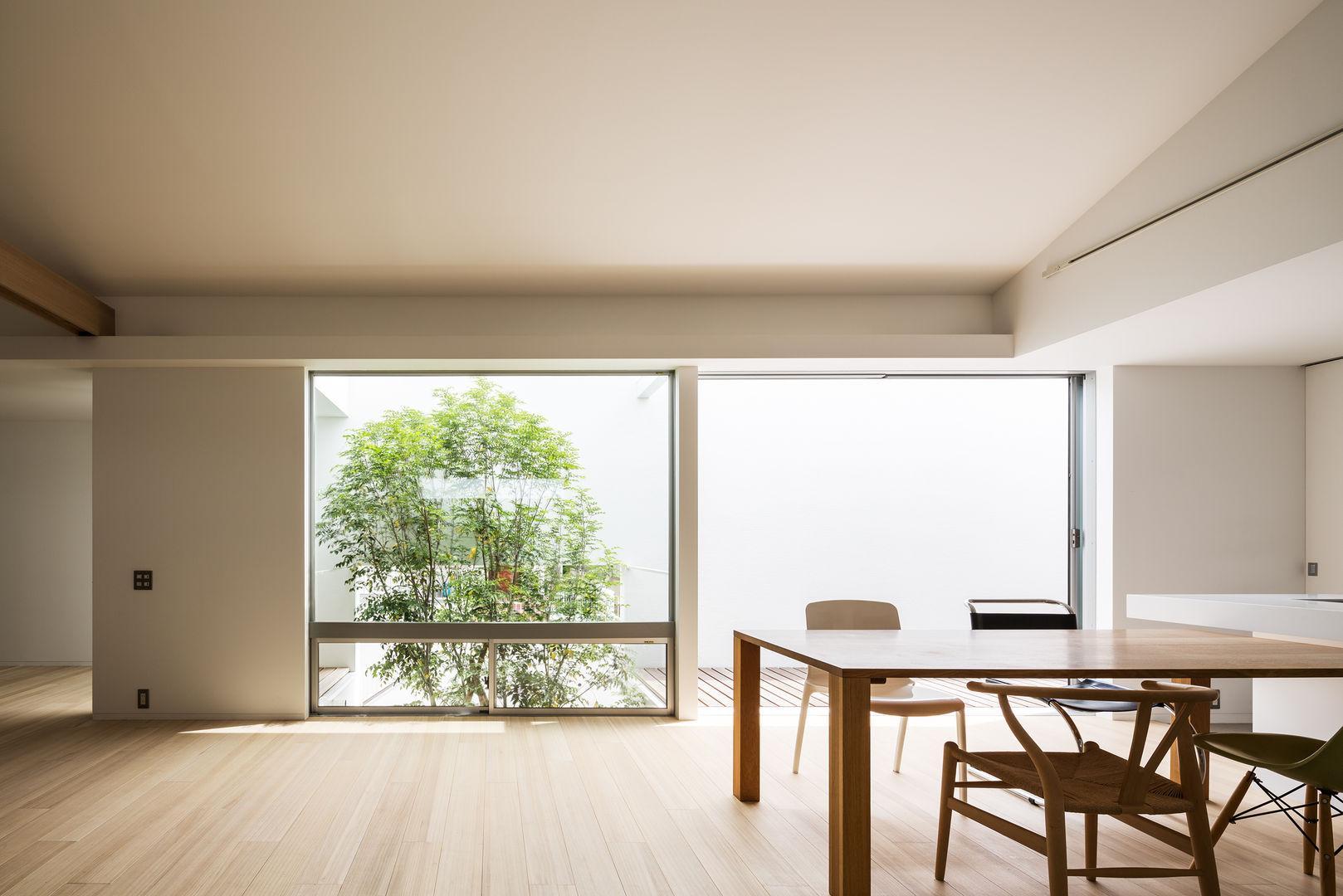
The result is not an escape from ordinary life. Wet boots still collect near the door and the dining table is also a desk. What the architecture offers is a clear background for those routines, with enough restraint to let weather, time, and occupation remain visible.

Editor in Chief