Form Follows Feeling
An essay on atmosphere as evidence: how temperature, acoustics, and movement make architectural intent measurable.
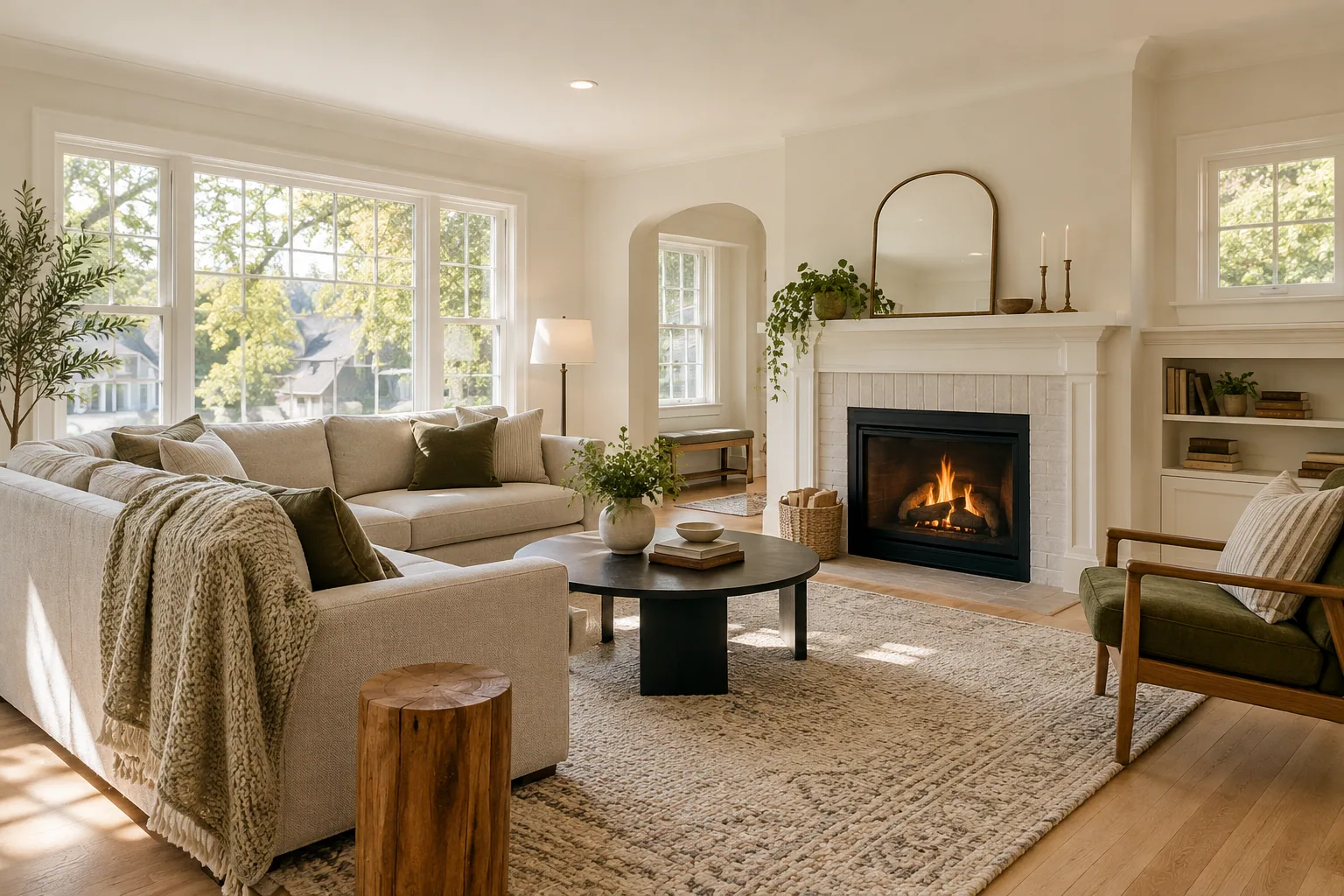
Atmosphere is sometimes treated as the least precise part of architecture. Yet the feeling of a room is produced by conditions that can be observed: where air moves, how voices carry, and which surfaces warm in the afternoon.
Design criticism becomes more useful when it connects those experiences to decisions. A calm gallery may depend on a hidden acoustic ceiling. A welcoming entry may be the result of a bench placed before the security desk.
Feeling is not proof on its own, but it is often the first indication that a technical choice is working. The task is to follow that indication back to the plan, section, material, and maintenance behind it.

Senior Editor